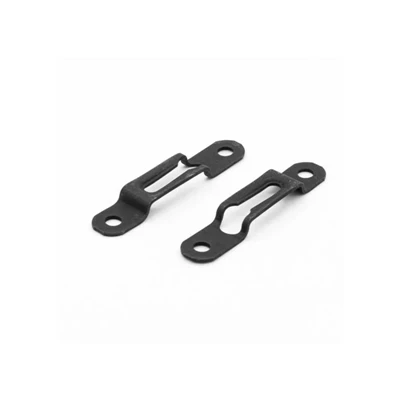

In the realm of metalworking, construction, and furniture manufacturing, sheet metal connectors play a pivotal role. They are the unsung heroes that hold structures together, ensuring stability and functionality. As a supplier of Sheet Metal Connector, I've witnessed firsthand the widespread use and the numerous benefits these connectors offer. However, like any technology or product, there are trade - offs when using sheet metal connectors. In this blog post, I'll explore these trade - offs in detail.
Advantages of Using Sheet Metal Connectors
Before delving into the trade - offs, it's essential to understand why sheet metal connectors are so popular. Firstly, they provide a high degree of flexibility. These connectors come in various shapes, sizes, and designs, allowing for a wide range of applications. Whether you're constructing a simple metal frame for a piece of Furniture Hardware Fittings or a complex industrial structure, there's a sheet metal connector suitable for the job.
Secondly, sheet metal connectors are relatively easy to install. They often require minimal tools and can be quickly attached to the metal sheets. This ease of installation translates into significant time savings during the construction process, which can be a crucial factor in large - scale projects.
Another advantage is cost - effectiveness. Compared to other joining methods such as welding or using large bolts and nuts, sheet metal connectors are generally more affordable. They offer a reliable connection at a lower cost, making them an attractive option for budget - conscious projects.
In addition, sheet metal connectors can be disassembled and reused. This feature is particularly useful in applications where the structure needs to be modified or relocated. For example, in the case of Metal Storage Shelf Bracket, if the storage requirements change, the connectors can be removed, and the shelf can be reconfigured.
Trade - offs of Using Sheet Metal Connectors
Strength and Durability
One of the primary trade - offs when using sheet metal connectors is their relative strength compared to other joining methods. While they are suitable for many applications, in high - stress situations, they may not provide the same level of strength as welding. Welding creates a continuous bond between the metal pieces, which can withstand greater forces. Sheet metal connectors, on the other hand, rely on mechanical fastening, which may be more prone to failure under extreme stress.
Durability can also be an issue. Over time, the connection points of sheet metal connectors can be subject to wear and tear, especially if exposed to harsh environments. For example, in outdoor applications where the connectors are exposed to moisture, they may rust or corrode, reducing their effectiveness. In contrast, a well - welded joint may be more resistant to corrosion if properly treated.
Aesthetic Appeal
In some applications, the appearance of the connection is important. Sheet metal connectors are often visible on the surface of the metal sheets, which may not be aesthetically pleasing in certain designs. For projects where a clean, seamless look is desired, such as in Specialty Furniture Hardware, the visible connectors can be a drawback. Welding, on the other hand, can create a smooth, almost invisible joint, providing a more elegant appearance.
Limited Material Compatibility
Sheet metal connectors are typically designed for use with specific types of metals. If you're working with different metals or alloys, finding a connector that is compatible with all the materials can be challenging. For example, using a connector made for steel with aluminum sheets may result in galvanic corrosion, which can weaken the connection over time. This limited material compatibility can restrict the scope of applications and may require additional research and testing to ensure the proper functioning of the connection.
Installation Precision
While sheet metal connectors are relatively easy to install, they do require a certain level of precision. Incorrect installation can lead to a weak or unstable connection. For example, if the holes in the metal sheets are not properly aligned with the connector, it can cause the connector to be loose or not function as intended. This precision requirement can add time to the installation process and may require skilled labor, which can increase the overall cost of the project.
Balancing the Trade - offs
Despite these trade - offs, sheet metal connectors remain a popular choice in many industries. The key is to carefully evaluate the requirements of each project and determine whether the advantages outweigh the disadvantages.
For projects with low - stress requirements, where cost and ease of installation are the primary concerns, sheet metal connectors are an excellent choice. For example, in the construction of Metal Shelf Hardware, the connectors can provide sufficient strength at a reasonable cost.


In projects where aesthetics are crucial, additional steps can be taken to minimize the visual impact of the connectors. This may include using connectors that are designed to be less visible or painting the connectors to match the color of the metal sheets.
To address the issue of material compatibility, it's important to consult with the connector manufacturer and conduct thorough testing. They can provide guidance on the best connectors for different metal combinations and recommend any additional treatments or coatings to prevent corrosion.
Conclusion
In conclusion, using sheet metal connectors comes with both advantages and trade - offs. These connectors offer flexibility, ease of installation, cost - effectiveness, and reusability, but they may fall short in terms of strength, durability, aesthetic appeal, material compatibility, and installation precision. As a supplier of sheet metal connectors, I understand the importance of helping customers make informed decisions. By carefully considering the specific requirements of each project, you can determine whether sheet metal connectors are the right choice for your application.
If you're interested in learning more about our Sheet Metal Connector products or would like to discuss your project requirements, please don't hesitate to reach out. We're here to help you find the best solutions for your needs and ensure the success of your projects.
References
- "Metal Joining and Fastening Handbook"
- "Industrial Sheet Metal Fabrication Guidelines"
- "Furniture Hardware: Design and Application"