Fit Clearance Control and Load Performance Optimization
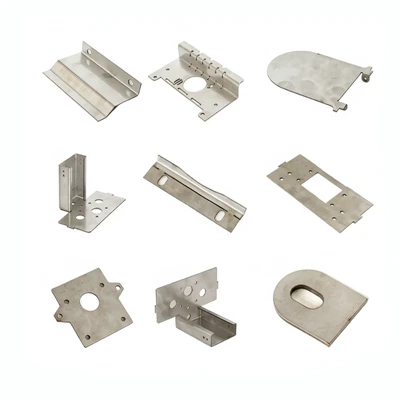
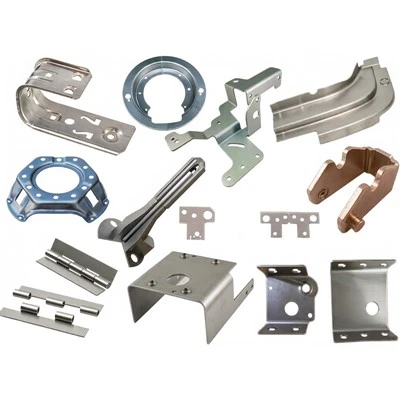
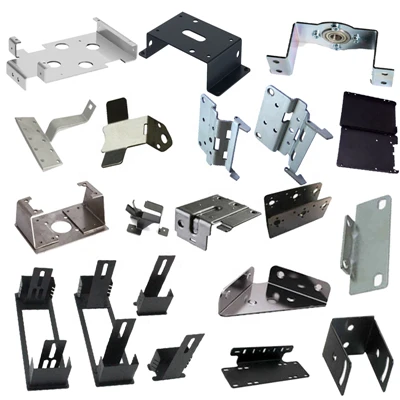
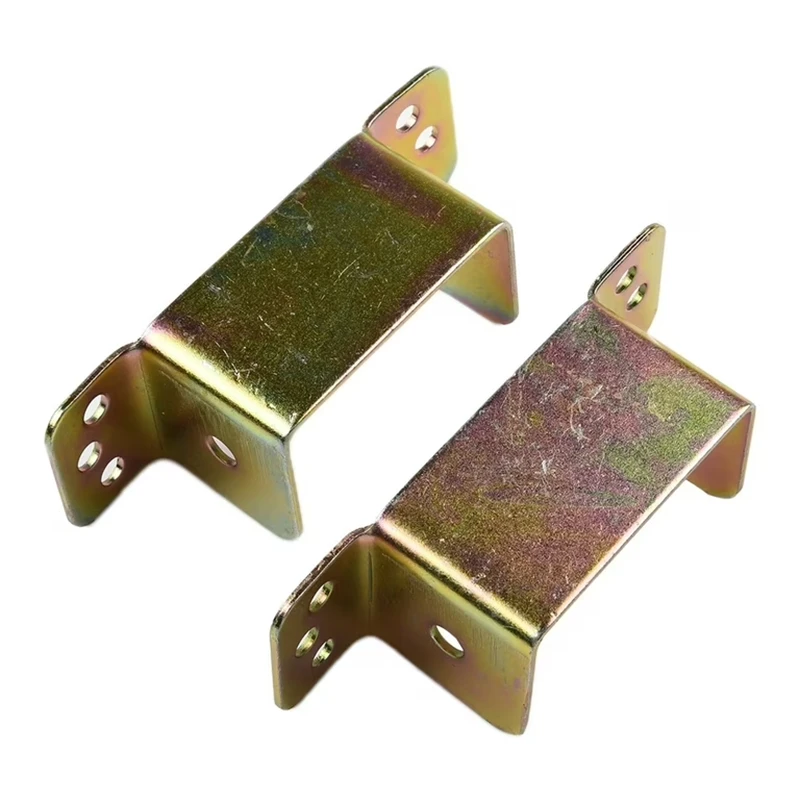
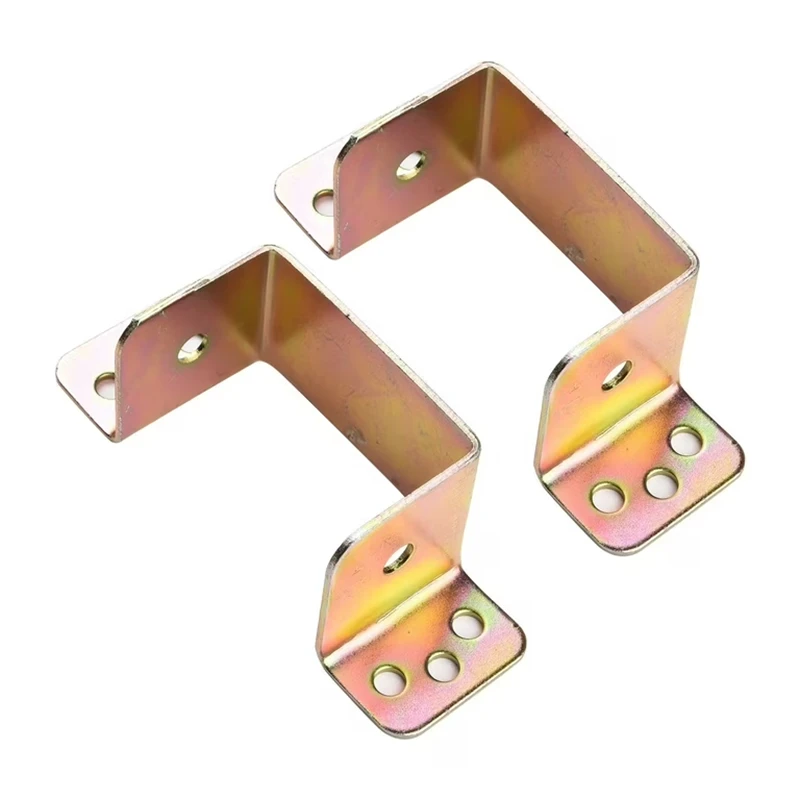
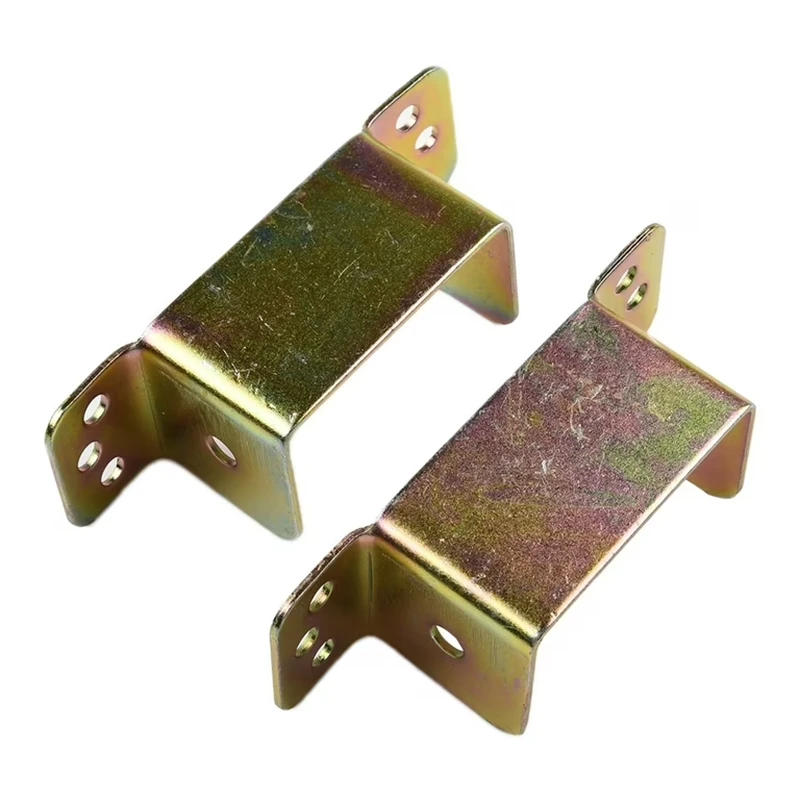
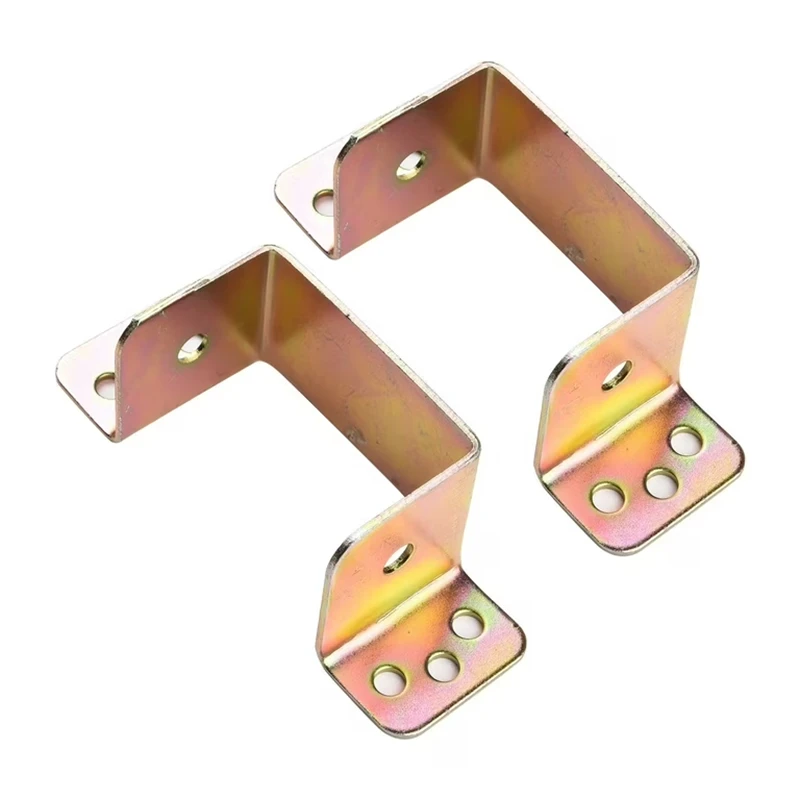
The Metal Connecting Parts for Tooling Equipment are among the most frequently used components in tooling systems. They are repeatedly assembled and disassembled during line changes, product changeovers, and fixture adjustments, making durability and stability essential requirements.
Fit clearance is controlled within 0.04–0.1 mm, a range determined through repeated engineering validation. If the clearance is below 0.04 mm, assembly becomes too tight and may require excessive force during installation. If it exceeds 0.1 mm, the connection may develop noticeable play, reducing positioning accuracy. The 0.04–0.1 mm range provides an optimal balance between ease of assembly and structural stability.
Tensile load capacity ranges from 60 kg to 200 kg, depending on material selection and structural reinforcement. Fatigue testing has been conducted under repeated assembly conditions. In one test scenario, the same component was assembled and disassembled over 1,000 cycles, with no thread stripping or functional degradation observed.
In an electronics manufacturing application, previous connecting parts failed within one month due to thread wear under frequent disassembly. After switching to improved designs, service life was extended to approximately six months under the same operating conditions, with stable thread performance maintained throughout use.
Each Metal Connecting Parts for Tooling Equipment is engineered to withstand repeated mechanical handling while maintaining accurate positioning.
Thread Strength and Surface Protection Engineering
Material options include SPCC, 45# steel, and SUS304 stainless steel, selected based on strength requirements and operating environment. SPCC is used for general-purpose applications, 45# steel provides higher mechanical strength, and SUS304 is suitable for corrosive or humid environments.
Material thickness ranges from 1 mm to 3 mm, with reinforcement applied in high-stress areas where required.
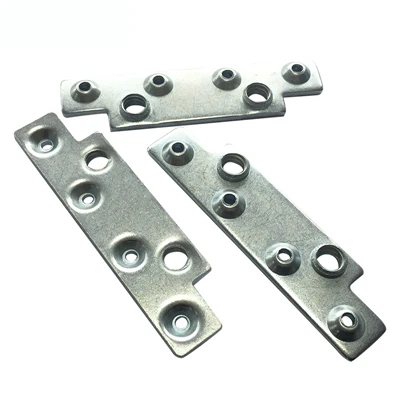
Thread structures are produced using flanged tapping technology, which increases thread engagement length compared to standard tapping methods, improving overall connection strength and resistance to wear during repeated use.
Precision pin holes are machined to ensure accurate alignment, allowing pins to insert smoothly without wobble or misalignment.
Surface treatment options include zinc plating, blackening, and nickel plating, providing corrosion resistance and improved surface durability.
All structural parameters-including connection type, hole size, length, and locking mechanism-are fully customizable according to tooling requirements.
Sample production time is typically 3–5 days, depending on complexity.
Technical Specifications
|
Parameter |
Standard Specification |
Custom Range |
|
Material |
SPCC, 45# steel, SUS304 |
Selected per requirement |
|
Thickness |
1–3 mm |
Customizable per requirement |
|
Fit Clearance |
0.04–0.1 mm |
Precisely adjustable |
|
Tensile Load Capacity |
60–200 kg |
Can be increased |
|
Surface Treatment |
Zinc plating, blackening, nickel plating |
Customized per requirement |
Hot Tags: metal connecting parts for tooling equipment, China metal connecting parts for tooling equipment manufacturers, suppliers, factory, cnc machined rings, five axis cnc machined parts, precision cnc machined components, precision machined metal parts, stainless steel cnc machined components, stainless steel cnc machined parts