
As a stamped gasket supplier, I often get asked about how these handy little components handle chemical corrosion. It's a crucial question, especially for industries where gaskets are exposed to all sorts of harsh chemicals. In this blog, I'll break down the ins and outs of how stamped gaskets deal with chemical corrosion.
First off, let's talk about what stamped gaskets are. Stamped gaskets are made by stamping a sheet of material into a specific shape, usually for sealing purposes. They can be made from a variety of materials, including metals, rubber, and composite materials. Each material has its own unique properties when it comes to handling chemical corrosion.
Metal Stamped Gaskets
Metal stamped gaskets are quite popular, especially in high - pressure and high - temperature applications. Metals like stainless steel, copper, and aluminum are commonly used. Stainless steel, for example, is known for its excellent corrosion resistance. It contains chromium, which forms a thin, protective oxide layer on the surface of the metal. This layer acts as a barrier, preventing chemicals from reaching the underlying metal. So, when you're dealing with mildly corrosive chemicals, a stainless steel stamped gasket can offer great performance.
But it's not all roses. Some highly corrosive chemicals, like concentrated sulfuric acid or hydrofluoric acid, can break down that oxide layer. Once the layer is compromised, the metal starts to corrode rapidly. For such extreme conditions, we might need to look at other options or use additional protective measures.
On the other hand, copper is also a good choice for certain applications. It has natural anti - microbial properties and can resist corrosion from some chemicals. However, it can be affected by strong acids and alkalis. Aluminum is lightweight and has good corrosion resistance in some environments. But it can react with certain chemicals, especially those that are alkaline, and form a powdery corrosion product.


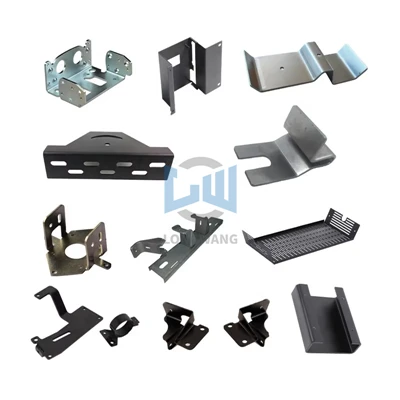
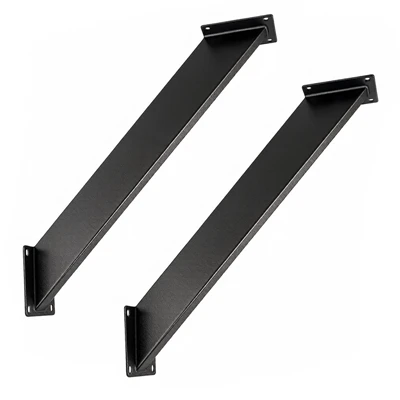
If you're interested in other metal stamping products related to our industry, you might want to check out Metal Support Legs for Beds, which are also precision - stamped and made to high - quality standards.
Rubber Stamped Gaskets
Rubber stamped gaskets are another common type. They are flexible, which makes them great for creating a tight seal. Different types of rubber have different levels of chemical resistance.
Neoprene rubber, for example, is resistant to a wide range of chemicals, including oils, solvents, and some acids. It's often used in automotive and industrial applications where it might come into contact with these substances. Nitrile rubber is also popular for its excellent resistance to oils and fuels. It's a go - to choice for applications in the oil and gas industry.
However, rubber gaskets do have their limitations. Some chemicals can cause rubber to swell, harden, or break down. For instance, ozone can cause rubber to crack over time. And some strong solvents can completely dissolve certain types of rubber. So, it's super important to choose the right type of rubber based on the specific chemical environment.
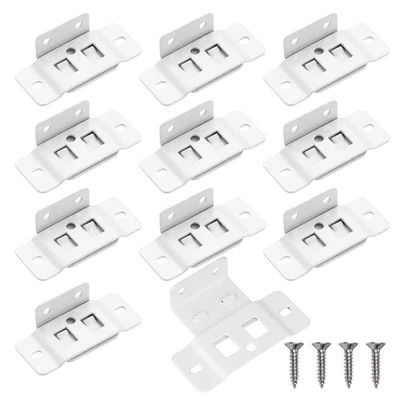
For those who might also need other precision - stamped metal parts, Stainless Steel Fixing Plates are available. They are made with the same attention to detail as our stamped gaskets.
Composite Stamped Gaskets
Composite stamped gaskets combine the best of different materials. They usually consist of a metal core with a rubber or other polymer coating. This combination allows them to take advantage of the strength and durability of the metal and the chemical resistance and flexibility of the coating.
For example, a composite gasket with a stainless - steel core and a PTFE (polytetrafluoroethylene) coating can offer excellent corrosion resistance. PTFE is known for its inertness, which means it doesn't react with most chemicals. It's widely used in applications where extreme chemical resistance is required, such as in the chemical processing industry.
But composite gaskets also need to be carefully selected. The bond between the metal and the coating is crucial. If the bond fails, the gasket's performance can be severely affected. And if the coating is damaged, the underlying metal might be exposed to the chemicals.
If you're in need of other stamped metal products, Metal Buckles and Fasteners are part of our product range. They are made with high - quality materials to ensure long - lasting performance.
Factors Affecting Chemical Corrosion Resistance
There are several factors that can affect how well a stamped gasket handles chemical corrosion.
The concentration of the chemical is a big one. A higher concentration of a corrosive chemical is more likely to cause damage to the gasket. The temperature also plays a role. Higher temperatures can speed up chemical reactions, which means the gasket might corrode faster. The duration of exposure is another factor. If a gasket is constantly in contact with a corrosive chemical for a long time, it's more likely to be affected.
The pH of the chemical is important too. Acids and alkalis can have different effects on different gasket materials. For example, some materials are more resistant to acids, while others can handle alkalis better.
Testing and Quality Control
At our company, we take testing and quality control seriously. Before we supply any stamped gaskets, we test them in simulated chemical environments. We expose the gaskets to different chemicals at various concentrations, temperatures, and for different durations. This helps us determine how well the gaskets will perform in real - world applications.
We also have strict quality control measures in place during the manufacturing process. We make sure that the materials we use are of the highest quality and that the stamping process is precise. This ensures that the gaskets have the right shape, thickness, and density, which all contribute to their chemical corrosion resistance.
If you're looking for other stamped metal components like Metal Stamping Clip or Metal Connector Plate, you can be assured of the same high - quality standards.
Choosing the Right Stamped Gasket
When it comes to choosing the right stamped gasket for a specific application, you need to consider the chemical environment. First, identify the chemicals that the gasket will be exposed to. Then, look at the properties of different gasket materials and see which one can withstand those chemicals.
You also need to consider other factors like temperature, pressure, and the type of equipment the gasket will be used in. If you're not sure, don't hesitate to reach out to us. We have a team of experts who can help you select the best gasket for your needs.
Let's Get in Touch
If you're in the market for stamped gaskets or any of our other metal - stamping products, I'd love to talk to you. Whether you're in the chemical industry, automotive industry, or any other field that requires high - quality sealing solutions, we can provide you with the right products. Contact us to discuss your requirements and start a procurement process. We're here to help you find the best solutions for your business.
References
- "Handbook of Sealant Technology" by Robert M. Banerjee
- "Corrosion Handbook" by Herbert H. Uhlig
- "Rubber Technology Handbook" by Werner Hofmann