
Are there any special storage requirements for metal stamped clips?
As a trusted supplier of metal stamped clips, I often encounter inquiries from customers regarding the proper storage of these essential components. Metal stamped clips play a crucial role in various industries, from automotive and electronics to construction and manufacturing. Their reliable performance and durability are highly valued, but to ensure they maintain their quality over time, it's essential to understand the special storage requirements they may have.
Understanding Metal Stamped Clips
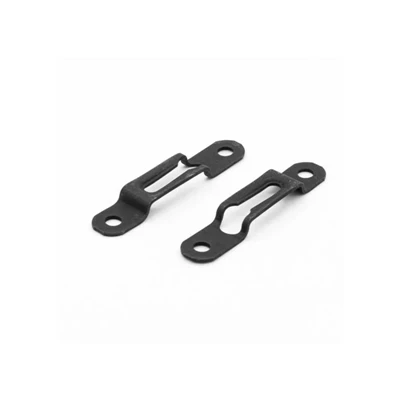
Before delving into storage requirements, let's briefly understand what metal stamped clips are. Metal Stamping Clip are components made by stamping processes on metal sheets. These processes involve cutting, bending, and shaping the metal into the desired clip design. The materials used can vary widely, including steel, aluminum, copper, and their alloys, each chosen for its specific properties such as strength, conductivity, and corrosion resistance.
General Storage Considerations
The storage of metal stamped clips should focus on preventing damage, corrosion, and deformation. Here are some general guidelines that can be applied to most metal stamped clips:
Temperature and Humidity Control
Temperature and humidity are two critical factors that can significantly affect the quality of metal stamped clips. Extreme temperatures can cause the metal to expand or contract, leading to dimensional changes and potential deformation. High humidity, on the other hand, can promote corrosion, especially for metal clips made of materials prone to rust, such as steel.
It is recommended to store metal stamped clips in an environment with a stable temperature between 20 - 25°C (68 - 77°F) and a relative humidity of 40 - 60%. This can be achieved by storing the clips in a climate - controlled warehouse or storage room. If possible, use a dehumidifier or air - conditioning system to maintain the ideal conditions.
Protection from Physical Damage
Metal stamped clips are often small and delicate components, making them vulnerable to physical damage. They should be stored in containers or packaging that provides adequate protection. For example, plastic or cardboard boxes can be used to keep the clips organized and prevent them from scratching or colliding with each other. Additionally, if the clips are being stored in a large bin, use dividers or partitions to separate different types or sizes of clips.
Avoiding Contamination
Contamination can have a negative impact on the performance of metal stamped clips. Dust, dirt, and chemical residues can interfere with the clip's functionality, especially if they are used in precision applications. To prevent contamination, keep the storage area clean and well - ventilated. Store the clips in sealed containers or use plastic bags with desiccants to absorb any moisture and prevent the entry of dust.
Specific Storage Requirements Based on Metal Type
Different metals used in metal stamped clips have different vulnerabilities, and thus specific storage requirements:
Steel Clips
Steel is a widely used material for metal stamped clips due to its high strength and durability. However, steel is prone to rust, especially in the presence of moisture and oxygen. To prevent rusting, steel clips should be stored in a dry environment. If the clips are coated with a protective layer, such as zinc or chrome plating, the risk of corrosion is reduced, but proper storage is still essential.
In addition to the general storage guidelines, steel clips can benefit from the use of rust - inhibiting products. Vapor - phase corrosion inhibitors (VpCI) can be used in the storage containers to create a protective atmosphere around the clips. These inhibitors release a vapor that bonds to the metal surface, preventing corrosion.
Aluminum Clips
Aluminum is known for its lightweight and corrosion - resistant properties, but it can still be affected by certain environmental factors. Aluminum can react with alkaline substances, so it should be stored away from materials that may emit alkaline fumes. Additionally, although aluminum forms a natural oxide layer that provides some protection against corrosion, this layer can be damaged if the surface is scratched.
To protect aluminum clips, store them in a clean and dry environment. Avoid storing them in close proximity to acids or caustic substances. If the aluminum clips have a painted or anodized finish, take care not to scratch the surface during storage.
Copper Clips
Copper is a highly conductive metal often used in electrical applications. Copper clips can develop patina over time, especially in the presence of sulfur compounds or high humidity. Patina is a greenish - blue coating that forms on the copper surface and, while it is generally not harmful to the conductivity of the clip, it may affect its appearance.
To store copper clips, keep them in a low - humidity environment. If possible, use airtight containers with desiccants to reduce the risk of patina formation. Also, avoid storing copper clips near materials that may release sulfur, such as rubber or some types of insulation.


Storage Requirements for Special - Purpose Clips
Some metal stamped clips are designed for specific applications and may have additional storage requirements:
Metal Stamping Spring Contacts
Spring contacts rely on their elastic properties to function correctly. Improper storage can cause the springs to lose their elasticity, leading to poor electrical contact or mechanical performance. When storing spring contacts, avoid compressing them for extended periods. If the spring contacts are stacked, ensure that the stacking pressure is within the recommended limits.
Metal Joiner Plate and Metal Connector Plate
These plates are often used in construction and structural applications, where their strength and integrity are crucial. They should be stored flat to prevent bending or warping. If multiple plates are stacked, use spacers between each plate to ensure even weight distribution. Also, protect the plates from scratches, as this can weaken the material and reduce its load - bearing capacity.
Importance of Proper Storage
Proper storage of metal stamped clips is not just about preserving the appearance of the products; it is also crucial for maintaining their functionality and performance. Corroded or damaged clips may not fit correctly, leading to assembly issues or even product failures. In industries where precision is essential, such as electronics or aerospace, the use of faulty clips can have serious consequences.
By following the appropriate storage requirements, you can extend the shelf - life of your metal stamped clips, reduce waste, and ensure that they are in optimal condition when it comes time to use them.
How We Can Help
As a leading Metal Formed and Stamped Parts supplier, we not only provide high - quality metal stamped clips but also offer professional advice on their storage and handling. Our team of experts can assist you in determining the best storage solutions based on the specific type of clips you purchase, the quantity, and your storage facilities.
If you are in the market for metal stamped clips or have any questions about their storage, we invite you to engage with us. Whether you need a small batch for a prototype or a large - scale supply for mass production, we are ready to meet your needs. We encourage you to initiate a conversation with our sales team to explore the possibilities of a successful partnership. By discussing your requirements in detail, we can ensure that you receive the most suitable products and services.
References
- Smith, J. (2018). Metal Corrosion and Protection. London: Metal Press.
- Johnson, A. (2019). Handbook of Metal Stamping Processes. New York: Manufacturing Publishers.
- Brown, C. (2020). Storage and Handling of Metal Components. Chicago: Industrial Storage Inc.